I bought my first new car in 2024, a 2025 CR-V Sport-L. By July 2025 it was gone. Stolen off a South Philly street in the middle of a crime wave that's taken thousands of Hondas. Since then, I've done the research to figure out how to protect my car. This is what I've learned.
In 2024, I bought my first new car: a 2025 Honda CR-V Sport-L Hybrid. I had owned a 2010 CR-V for years and loved it. This felt like the right upgrade.
In the early hours of July 30, 2025, it was stolen off a South Philadelphia street. The whole thing took less than two minutes. There were no signs of forced entry. By the time I woke up, an organized theft ring had already moved it across the city. My AirTag tracked it to a Northeast Philly apartment complex, then to Roosevelt Boulevard, and then it went quiet. The car was never recovered.
What followed was nearly 13 months of insurance negotiations, police follow-ups, rental cars, and paperwork. The case was eventually escalated to the Philadelphia Major Crimes Unit, a signal of just how organized these operations are.
When I replaced the car with a 2026 CR-V Sport-L, I wasn't going to make the same mistake twice. I spent weeks researching what actually works. Not generic car security advice. Specific products that address the exact methods these crews use on Hondas.
This site is the result of that research. Everything here is something I've either purchased myself or vetted extensively.
Read: Why Hondas Are Targeted โThieves who target Hondas use specific methods. These products are chosen to counter each one directly.
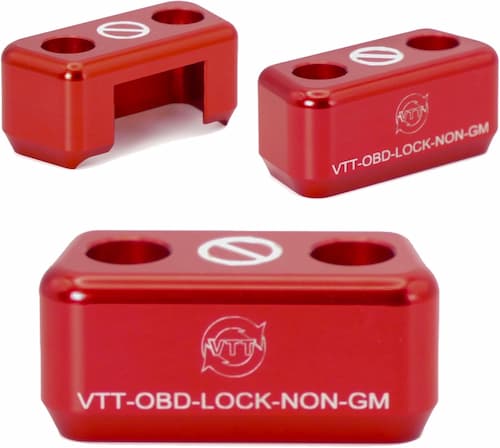
Philadelphia police identify OBD port access as the #1 method used to steal modern Hondas. Thieves plug a device into the diagnostic port under your steering column and clone or program a new key in under a minute. The OBD-Lock physically blocks this port. This is the first thing I installed.
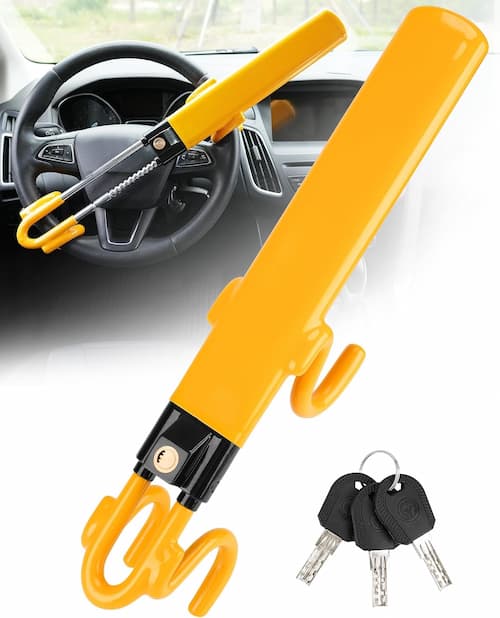
Even if thieves get past your ignition, a steel steering wheel lock stops them from driving. More importantly, it's visible. Thieves surveilling cars for targets move on when they see one. A quick visual deterrent is underrated. This one is heavy-duty, drill-resistant, and fits all three major Honda models.
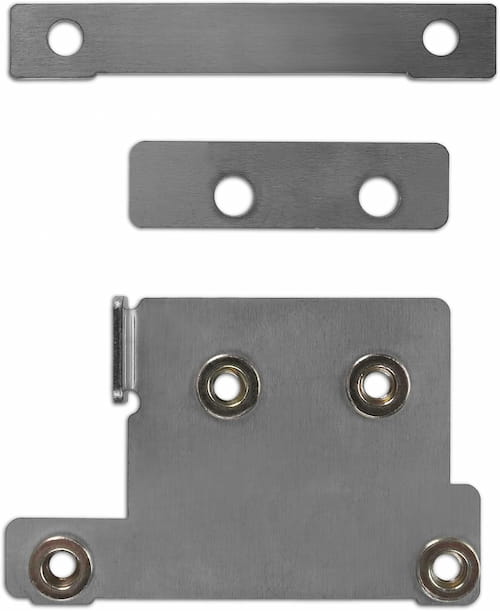
Hondas are prime catalytic converter theft targets. The parts are valuable, interchangeable across models, and have no VIN stamped on them. The Miller CAT Radar Shield is designed specifically for Honda applications and makes removal exponentially harder, buying enough time that most crews give up and move on.
Modern Honda theft isn't a smash-and-grab. It's organized and methodical. Knowing the methods makes the countermeasures obvious.
Thieves plug a device into the diagnostic port under your steering column. The device clones the key fob signal or programs a blank key in under 60 seconds. This is the dominant method right now.
Two thieves with signal amplifiers can extend the range of your key fob signal through walls and doors. One stands near your key inside, the other near the car. The car unlocks and starts. Effective on any keyless-entry Honda.
A crew can remove a Honda's catalytic converter in under 10 minutes with a battery-powered saw. Honda converters are valuable on the black market because the precious metals inside are in high concentration, and the parts carry no VIN.
Recent coverage of organized Honda theft in Philadelphia and across the country.
Nearly a quarter of all cars stolen in Philly in 2026 have been Hondas, according to police data. PPD urges owners to add physical deterrents.
Read article โ30+ CR-Vs stolen in one month. Thieves operate in caravans of 2โ3 vehicles and can steal a Honda in under one minute using an OBD device.
Read article โPhilly PD's Major Crimes Unit breaks up two organized theft rings specifically targeting Honda vehicles across the city.
Read article โAccords and CR-Vs are being targeted nationally. Unlike the Kia challenge, this is profit-driven theft by organized crews targeting parts and resale.
Read article โAll products reviewed here are compatible with these models. Check individual product pages for year-specific fitment.